Best Types of Retaining Walls in Cincinnati, Ohio
June 20, 2024

Types of Retaining Walls: Your Guide in Cincinnati, Ohio
Retaining walls are essential for managing landscapes, especially in hilly or uneven areas. They prevent soil erosion, create usable flat spaces, and add aesthetic value to properties. In Cincinnati, Ohio, retaining walls are particularly important due to the city's varied topography. Whether you're a homeowner looking to enhance your yard or a business seeking to stabilize your property, understanding the different types of retaining walls can help you make the best choice for your needs.
Retaining walls come in various types, each with unique features and benefits. This guide will walk you through the most common types of retaining walls used in Cincinnati, Ohio, and help you decide which one is right for your project.
What are Retaining Walls?
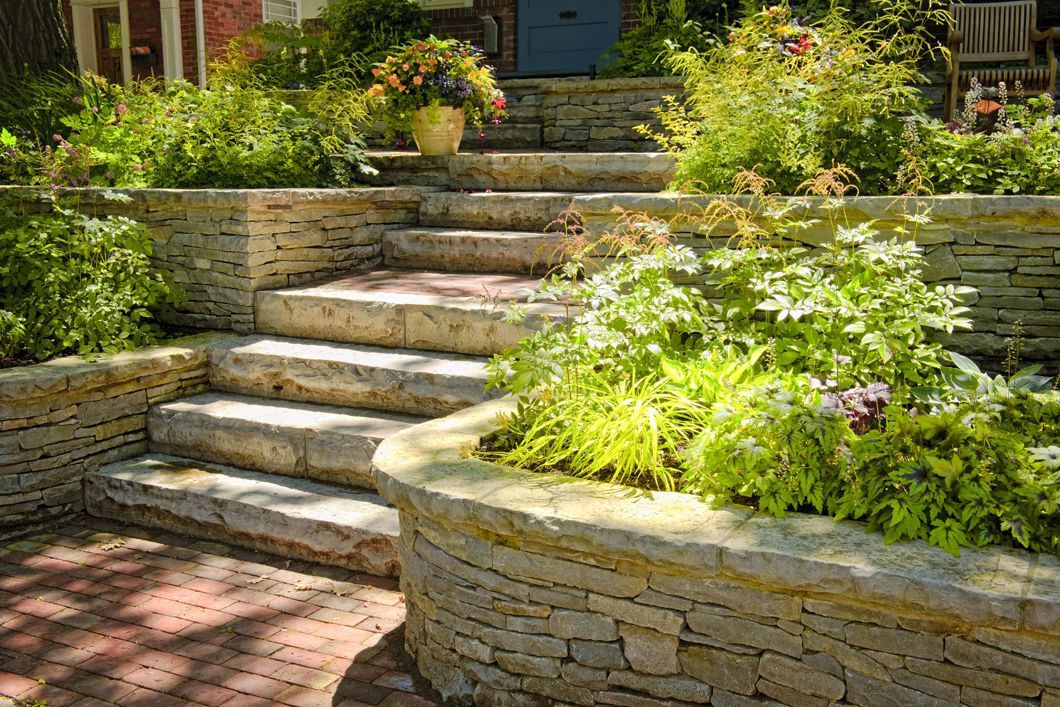
Retaining walls are structures designed to hold back soil and prevent erosion. They are used in areas where the landscape needs to be shaped or supported, such as in gardens, on slopes, or along roadways. By creating a barrier, retaining walls allow you to manage the landscape effectively, creating flat areas where needed and preventing soil from shifting.
Retaining walls offer several benefits:
- Erosion Control: They prevent soil from washing away during heavy rains.
- Increased Usable Space: They create flat, usable spaces in hilly or uneven terrain.
- Aesthetic Appeal: They can be designed to enhance the visual appeal of your property.
- Structural Support: They provide stability to areas prone to soil movement.
In Cincinnati, retaining walls are particularly useful due to the city's varying elevations and frequent rainfall, which can lead to erosion and soil displacement.
Types of Retaining Walls
When choosing a retaining wall, it's important to understand the different types available and their specific uses. Here's a detailed look at the most common types of retaining walls:
1. Gravity Retaining Walls
Gravity retaining walls rely on their own weight to hold back soil. These walls are typically made from heavy materials like concrete, stone, or brick. They are ideal for lower walls and areas where space is limited.
- Description: They use sheer mass to resist pressure from behind.
- Best Uses: Suitable for garden walls and small retaining projects.
- Materials: Concrete, stone, brick.
2. Cantilever Retaining Walls
Cantilever retaining walls are made from reinforced concrete or masonry and have a "cantilever" structure, which means they have a thin stem and a base that extends under the soil. This design allows them to hold back more significant loads.
- Description: They have a T-shaped or L-shaped design that provides stability.
- Best Uses: Suitable for medium to large retaining walls.
- Materials: Reinforced concrete, masonry.
3. Sheet Pile Retaining Walls
Sheet pile retaining walls consist of thin steel, vinyl, or wooden planks driven into the ground. They are often used in soft soils and for temporary construction projects.
- Description: Long, vertical sheets are driven deep into the ground.
- Best Uses: Ideal for areas with soft soil or for temporary structures.
- Materials: Steel, vinyl, wood.
4. Anchored Retaining Walls
Anchored retaining walls use cables or other stays anchored in the rock or soil behind the wall. These anchors provide additional support, making them suitable for high loads.
- Description: They are supported by anchors driven into the earth behind.
- Best Uses: Suitable for high walls or heavy loads.
- Materials: Any wall material, with metal cables or rods for anchoring.
5. Segmental Retaining Walls
Segmental retaining walls are made from interlocking blocks that do not require mortar. These blocks are designed to be flexible and can handle slight movements in the earth.
- Description: Modular blocks that interlock for flexibility.
- Best Uses: Ideal for garden walls and areas where flexibility is needed.
- Materials: Concrete blocks.
Conclusion
In summary, understanding the different types of retaining walls is essential for managing your landscape effectively. Whether you need a gravity wall for a small garden project or an anchored wall for a high-load application, choosing the right type can ensure stability, prevent erosion, and enhance the beauty of your property. In Cincinnati, Ohio, and its surrounding areas, the right retaining wall can make a significant difference in maintaining your landscape's integrity.
Call to Action
Ready to enhance your property with a durable and aesthetically pleasing retaining wall? Contact Chip's Landscaping Cincinnati. They offer expert services in landscaping, retaining walls, irrigation, and concrete work. Serving Cincinnati, Ohio, and nearby areas like Blue Ash, Cheviot, Forest Park, Mount Healthy, Norwood, Sharonville, and Springdale, Chip's Landscaping Cincinnati is your go-to for professional and reliable landscaping solutions. Visit their website or call today to get started on your next project!
Frequently Asked Questions
What is the most cost-effective type of retaining wall?
Gravity retaining walls are often the most cost-effective for small to medium projects due to their simple construction.
How long do retaining walls typically last?
With proper maintenance, retaining walls can last anywhere from 20 to 50 years, depending on the materials used.
Can I build a retaining wall myself?
While small retaining walls can be DIY projects, larger or more complex walls should be constructed by professionals to ensure safety and durability.
What are the common causes of retaining wall failure?
Poor drainage, improper construction, and using inadequate materials are common causes of retaining wall failure.
How do I know if my retaining wall needs repair?
Signs such as bulging, cracks, or water pooling at the base of the wall indicate that repairs may be needed.